
What is ISO 14001 Clause 8.2 Emergency Preparedness and Response?
This aims to outline your organization’s methodology for controlling emergency situations. Despite our organization’s best efforts, environmental emergency situations can occur, and therefore, effective emergency preparation and response can reduce injuries, protect employees and neighbors, reduce asset losses, and minimize downtime.
Emergency situations may also have the potential to affect the environment, or conversely, an environmental condition may have the potential to affect your organization.
Contents
- What is 8.2 Emergency Preparedness and Response?
- Establish and Maintain Which Processes?
- Emergency Response Procedure
- Walk-through Inspection
- Environmental Emergency Plans
- Test, Review & Revise
- Emergency Situations Procedure

An environmental emergency can arise at any moment within your company. This may very well affect the surrounding environment, which will, in turn, affect your business. Verify that your organization has the processes in place to trigger a planned response to environmental emergencies.
Why Reinvent The Wheel?

Establish and Maintain Which Processes?
The emergency response section requires your organization to establish and maintain processes to:
- Identify potential environmental emergency scenarios
- Respond to environmental incidents and emergencies by triggering response actions
- Personnel are trained before they are required to participate in the emergency response
- Regularly test (drill), review and revise emergency responses (after an incident)
- Ensure that interested parties are made aware of these arrangements
- Prevent and mitigate any impacts and risks that may be associated with incidents and emergencies
Emergency Response Procedure
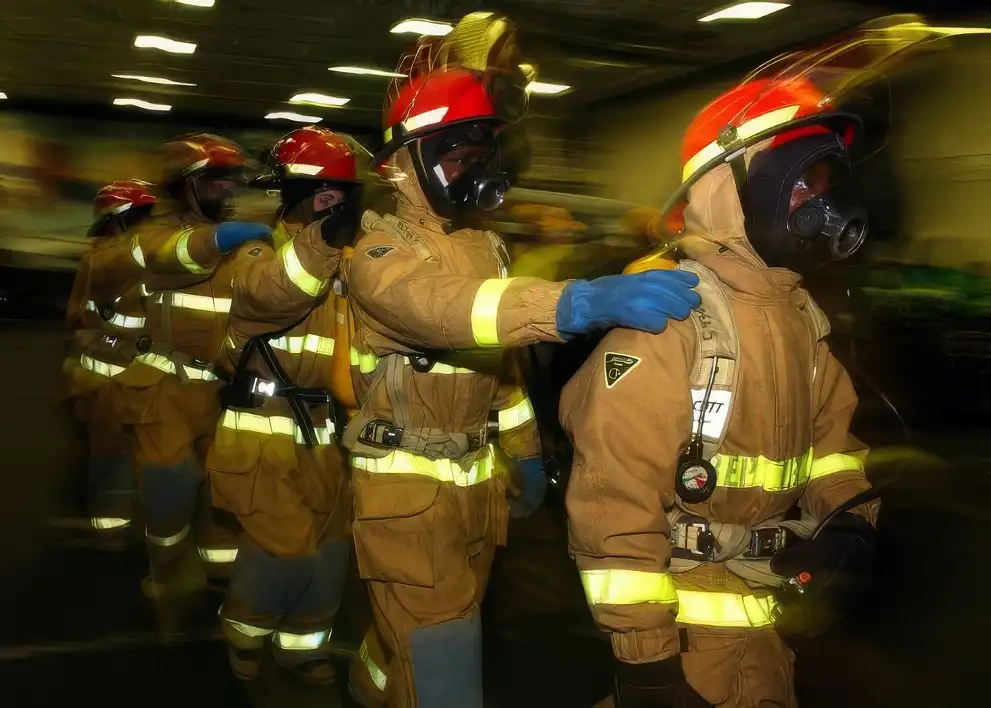
The emergency response procedure(s) should describe how you plan to mitigate potential environmental emergency situations, which might include the following scenarios:
- Fire
- Accidental emissions to the atmosphere
- Accidental discharges to water
- Accidental discharges to land
- Specific health and safety effects from such accidental releases and emergency situations
When determining potential environmental incidents and emergency situations, consult the following sources:
- Environmental consultants
- Environmental aspect and impact evaluations
- Designers and process engineers
- Equipment manufacturers and retailers
- Incident reports and records
- Maintenance processes and personnel
- Material Safety Data Sheets (MSDS)
- COSHH data sheets
Walk-through Inspection
In addition to consulting the above resources, a walk-through inspection can help identify potential environmental incidents and emergency situations.
Walk-through inspections are most effective when performed during typical operating conditions using observational and non-threatening interview and communication techniques.
Environmental Emergency Plans
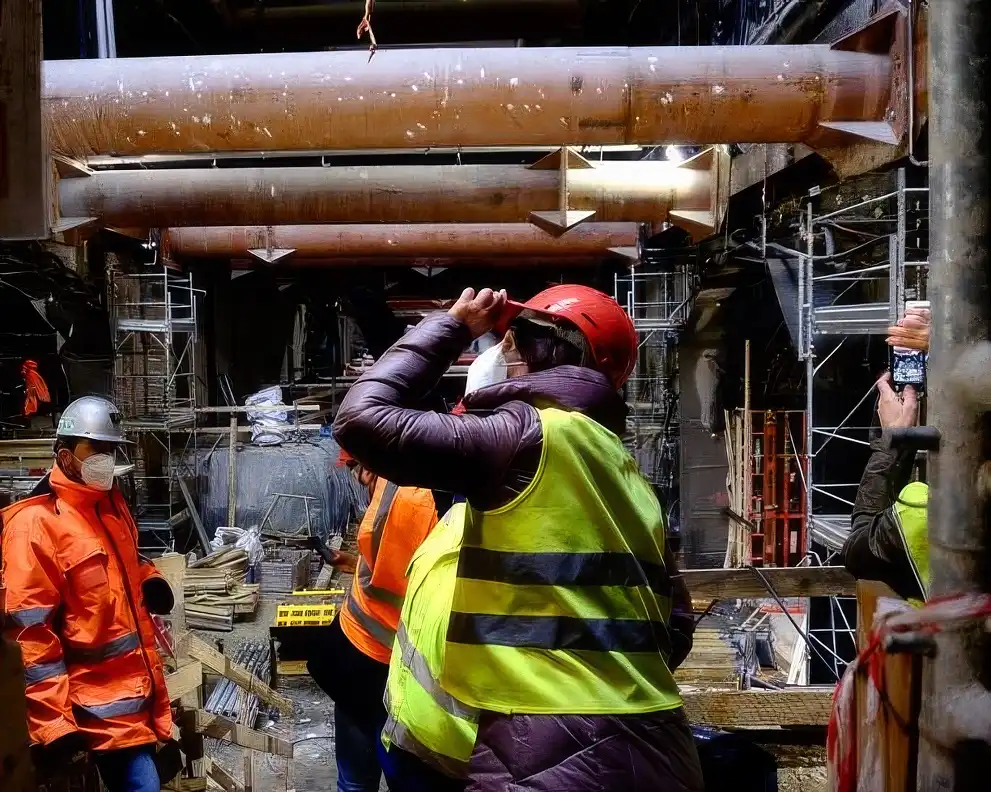
Environmental emergency plans result from prior planning, testing, and the coordination of internal and external resources. Emergency response plans should provide written instructions and information for use during an emergency situation.
Such plans can also provide information to prevent or mitigate environmental impacts and health and safety risks.
It is Recommended that Emergency Response Plans Include:
- Emergency organization and responsibilities
- A list of key personnel
- Provisions for safe evacuation, assembly and accounting of personnel details of emergency services (e.g., fire department, ambulance services, spill clean-up services, etc.)
- Internal and external communication plans
- Actions taken in the event of different types of emergencies
- Information on hazardous materials (COSHH & MSDS) that include each material's potential impact on the environment
- Measures to be taken in the event of accidental release
- Training plans
- Procedures to test the plan's effectiveness
Environmental emergency response plans should include facility layouts and MSDSs and be filed with the emergency responding agencies.
Emergency Responders
Emergency responders must be familiar with facility layouts and potential hazards and be adequately trained to prevent and mitigate various human and environmental impacts.
Test, Review & Revise
Your organization must review and revise its emergency preparedness and response procedures when necessary, especially after an incident or emergency.
You must also periodically test such procedures where practicable. Otherwise, your emergency response plans may never be tested and determined to be adequate until after an incident or emergency that may have been avoidable had proper testing been undertaken and documented.
Related Information You Might Find Useful
- 8.2 Emergency Preparedness and Response [ISO 45001

 ISO 14001
 Reports & Forms


